
Japan’s economy is undergoing a structural transformation shaped by demographic change, evolving industries, and the increasing importance of human capital. As businesses, institutions, and communities adapt to these changes, the ability to develop and mobilize talent has become an essential factor in sustaining economic vitality.
Among those who can contribute to this evolving landscape are refugees who have been granted protection and legal status in Japan. With appropriate preparation, skills development, and institutional support, refugees can become active participants in Japan’s labor market and broader society.
Supporting this transition requires more than short-term assistance. It requires structured preparation, coordinated collaboration, and long-term pathways that enable individuals to participate economically and socially in a sustainable way.
Refugees as Human Capital
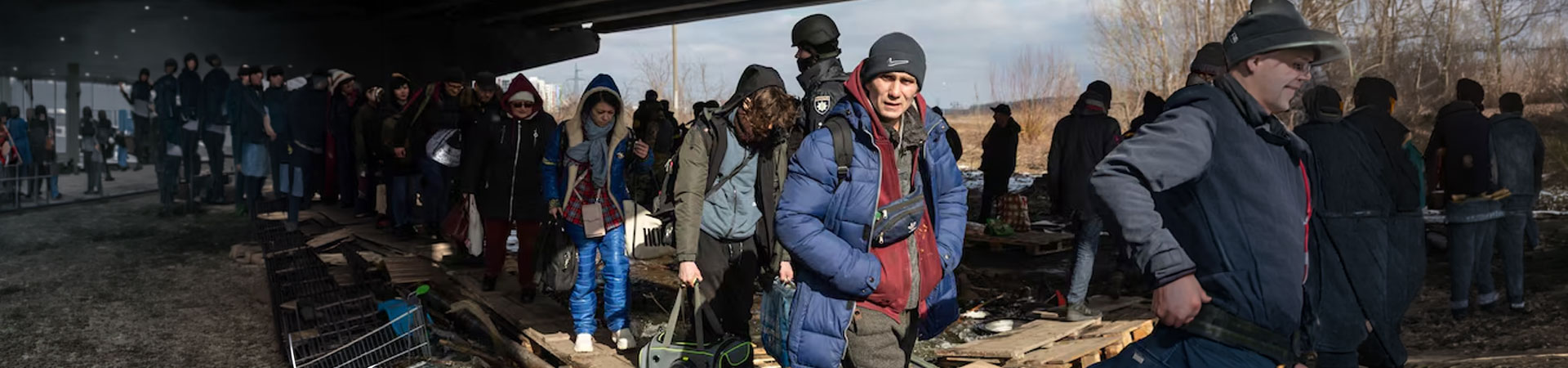
Individuals who arrive in Japan as refugees often bring diverse experiences, educational backgrounds, and professional abilities. However, displacement frequently interrupts education and career development. As a result, many refugees face challenges reconnecting their skills and qualifications with employment opportunities.
When properly supported, refugees represent valuable human capital capable of contributing to economic productivity, innovation, and community resilience.
The challenge is rarely a lack of potential. More often, it is the absence of structured pathways that allow individuals to translate their capabilities into meaningful participation in the labor market.
By investing in skills development, language readiness, and practical preparation, Japan can unlock the potential that already exists within individuals seeking to rebuild their lives while contributing constructively to society.
Unlocking this human capital not only supports individual independence but also strengthens workforce participation and contributes to long-term economic resilience.
The Importance of Structured Preparation
Successful integration into the workforce rarely occurs spontaneously. For individuals rebuilding their lives in a new country, meaningful participation in the labor market requires careful preparation across several interconnected areas.
These include:
- Language proficiency aligned with professional environments
- Understanding certification and qualification systems in Japan
- Familiarity with workplace expectations and organizational culture
- Psychological stability and confidence rebuilding
- Access to institutional guidance and professional networks
Programs that address these factors in a coordinated and structured manner are significantly more effective than fragmented or short-term interventions.
Without proper preparation, individuals may face skill mismatches, limited employment opportunities, or difficulties adapting to workplace environments. Structured preparation helps reduce these barriers by aligning individual capabilities with realistic employment pathways.
When education, training, and guidance are delivered through a coordinated approach, individuals are better positioned to transition from uncertainty to stability. Over time, this preparation supports not only employment readiness but also long-term participation in economic and social life.
Structured preparation therefore serves as a critical bridge between humanitarian protection and sustainable integration within the labor market.

Workforce Participation and Economic Stability
Employment plays a central role in rebuilding independence and stability for individuals who have experienced displacement. For refugees, access to meaningful work provides far more than financial income. It restores dignity, builds confidence, and enables individuals to actively participate in the communities in which they live.
When individuals are able to develop skills and access employment opportunities, they move toward greater self-reliance and long-term stability. This transition supports personal independence while also reducing prolonged reliance on social assistance and support systems.
For society, workforce participation strengthens economic productivity and contributes to the sustainability of social and economic systems. Individuals who participate in the labor market contribute to economic activity, support local communities, and help expand the pool of economically active contributors within society.
Employment therefore represents a critical bridge between humanitarian protection and long-term socio-economic participation. When individuals are able to contribute their skills and abilities through productive work, both the individual and society benefit.
Encouraging workforce participation through structured preparation and skills development creates pathways for refugees to rebuild their lives while contributing constructively to Japan’s economic and social stability.

Institutional Collaboration Is Essential
Successful integration into the workforce and society cannot be achieved by a single organization working in isolation. It requires coordinated collaboration among multiple institutions that each play a role in supporting education, training, and employment pathways.
Key stakeholders include:
- educational institutions
- vocational training providers
- private sector employers
- government agencies
- civil society organizations
When these actors work together, they create structured ecosystems that allow individuals to move from protection toward meaningful participation in society.
Educational institutions contribute knowledge and training. Employers provide opportunities for practical experience and professional development. Government agencies establish policy frameworks and support systems that enable stability and long-term participation. Civil society organizations help coordinate these elements and provide guidance during the transition process.
Through collaboration, individual potential can be connected with real opportunities. Skills can be developed, qualifications recognized, and employment pathways established.
Institutional cooperation therefore plays a critical role in ensuring that integration efforts are sustainable, coordinated, and beneficial for both individuals and society.
Looking Ahead
As Japan continues to navigate demographic change, economic transformation, and evolving workforce needs, the importance of developing and mobilizing human capital will only continue to grow.
Supporting refugees in acquiring skills, accessing education, and participating in the labor market represents one component of a broader effort to strengthen economic resilience and social stability.
When individuals are given the opportunity to prepare, develop their capabilities, and engage productively in society, they are able to rebuild their lives with dignity and independence.
At the same time, societies benefit from the contributions of individuals who are able to participate meaningfully in economic and community life.
Organizations such as Kibou aim to contribute to this process by promoting structured preparation, skills development, and coordinated pathways that enable refugees to transition from displacement toward long-term participation in Japan’s socio-economic future.