

Japan’s Demographic Context
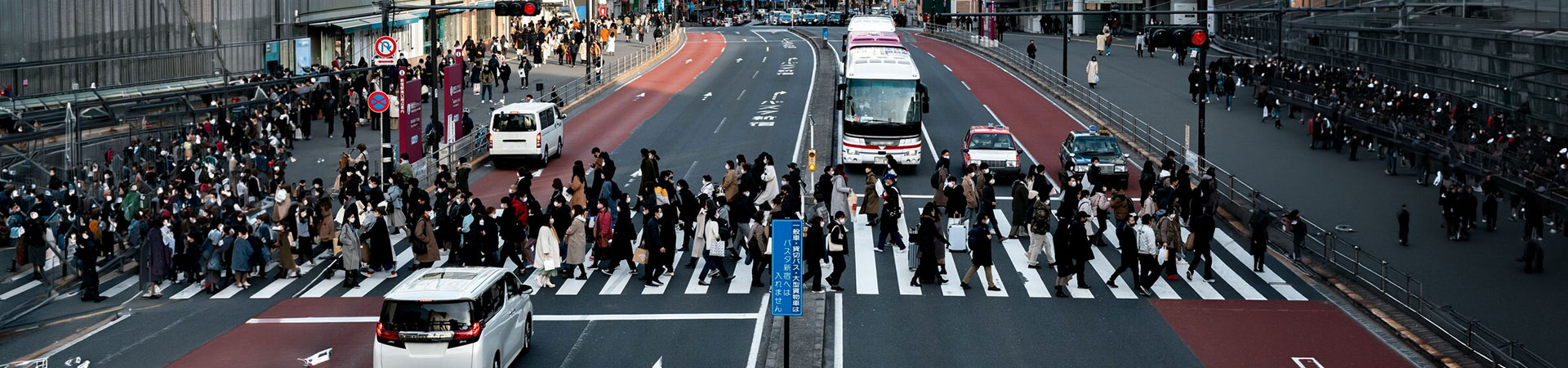
Japan is experiencing one of the most significant demographic shifts among advanced economies. According to the Japanese Ministry of Internal Affairs and Communications, more than 29% of Japan’s population is now aged 65 or older, making it one of the most rapidly aging societies in the world.
At the same time, Japan’s working-age population continues to decline. Government projections estimate that the workforce could shrink by more than 10 million people by 2040 if current demographic trends continue.
These developments present long-term challenges for economic productivity, workforce sustainability, and social welfare systems. As Japan navigates this demographic transformation, the importance of developing and mobilizing available human capital across society becomes increasingly clear.
Refugees in the Global Context
Globally, the number of forcibly displaced people has reached historic levels. According to the United Nations High Commissioner for Refugees (UNHCR), more than 110 million people worldwide are currently displaced due to conflict, persecution, or violence.
While Japan hosts a relatively small number of recognized refugees compared with many other countries, individuals who are granted protection represent a group with significant potential to contribute to society when given appropriate support and preparation.
Many refugees bring diverse experiences, resilience, and professional capabilities. However, displacement often interrupts education, careers, and professional development, making it more difficult for individuals to reconnect with employment opportunities in their new environment.

Economic Contribution of Integration
Research across OECD countries has consistently shown that successful integration into the labor market significantly improves both individual outcomes and national economic performance.
When refugees gain access to education, training, and employment opportunities, they contribute through taxation, economic participation, and innovation. Over time, effective integration policies can transform humanitarian protection into long-term economic and social value.
Countries that invest in integration programs often see measurable returns through increased labor participation, stronger communities, and reduced long-term dependency on public support systems.
Japan’s Labor Market Opportunity
Several sectors in Japan already face significant labor shortages, including healthcare, manufacturing, construction, and service industries. As businesses adapt to demographic change, the ability to connect prepared individuals with these workforce needs will become increasingly important.
Structured preparation programs can play a critical role in aligning individual capabilities with real labor market demand. Language education, vocational training, and practical employment preparation help bridge the gap between potential and opportunity.
By investing in these pathways, Japan can strengthen its workforce while supporting individuals who are seeking to rebuild their lives.
The Role of Structured Preparation
While the potential contribution of refugees is widely recognized, the key challenge lies in creating practical pathways that allow individuals to reconnect their skills with real opportunities.
Displacement frequently interrupts education and professional careers. As a result, individuals often require targeted support to rebuild their skills, improve language proficiency, and understand the cultural and professional expectations of the labor market.
Structured programs that combine education, vocational training, and practical preparation can help bridge this gap. When individuals receive this support, they are better positioned to participate productively in society and contribute to economic development.
Organizations such as Kibou no Gakkou focus on creating these structured pathways. Through education, skills development, and careful alignment between individual capabilities and labor market needs, Kibou aims to support displaced individuals as they work toward stability, independence, and meaningful participation in Japanese society.
Integration and Social Sustainability
Beyond economic considerations, effective integration also contributes to broader social stability.
When individuals have access to education, skills development, and meaningful employment, they are more likely to achieve long-term independence and become active contributors to their communities.
This reduces long-term reliance on public support systems while strengthening social cohesion and shared prosperity.
In the context of Japan’s demographic challenges, policies and initiatives that enable capable individuals to participate in the workforce can support both economic resilience and fiscal sustainability.
Looking Forward
Japan’s demographic realities present both challenges and opportunities. As the country continues to navigate the effects of an aging population and a shrinking workforce, the importance of developing available human capital will only grow.
Individuals who arrive in Japan seeking protection often possess resilience, diverse experiences, and a strong motivation to rebuild their lives.
When supported through education, structured preparation, and pathways to employment, they can contribute meaningfully to Japan’s economy and society.
Recognizing and supporting this potential represents not only a humanitarian commitment, but also a practical investment in Japan’s long-term future.
Organizations like Kibou no Gakkou seek to contribute to this vision by promoting education, skills development, and structured integration pathways that enable individuals to rebuild their lives while strengthening the communities they become part of.