
Building Foundations for Inclusion and Opportunity
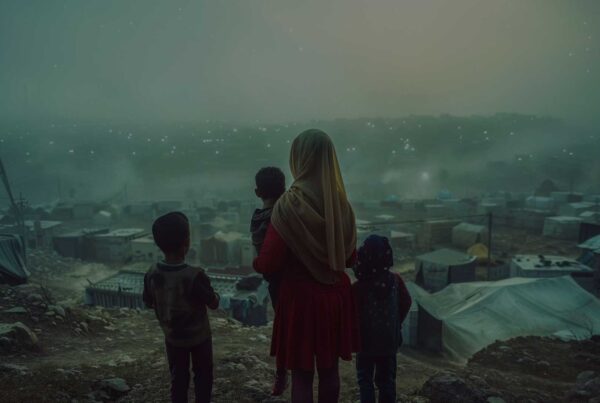
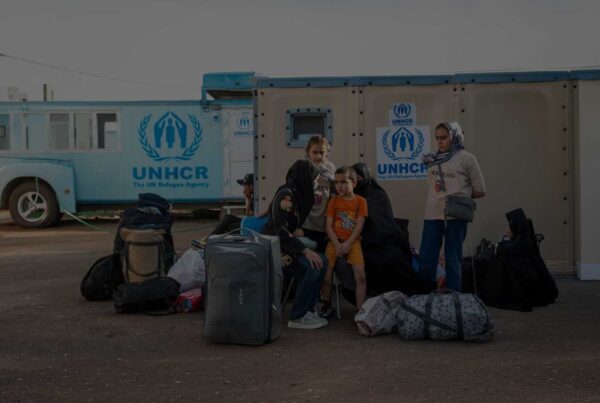
Successful refugee integration requires more than temporary assistance. Long-term stability and meaningful participation in society depend on access to education, opportunities for skills development, and the presence of supportive communities that help individuals navigate new environments.
Across many countries, including Japan, community initiatives and educational programs have become essential components in helping displaced individuals rebuild their lives. These efforts focus on providing knowledge, practical training, and social connections that enable individuals to adapt, learn, and contribute to the societies in which they live.

Education as a Gateway to Participation
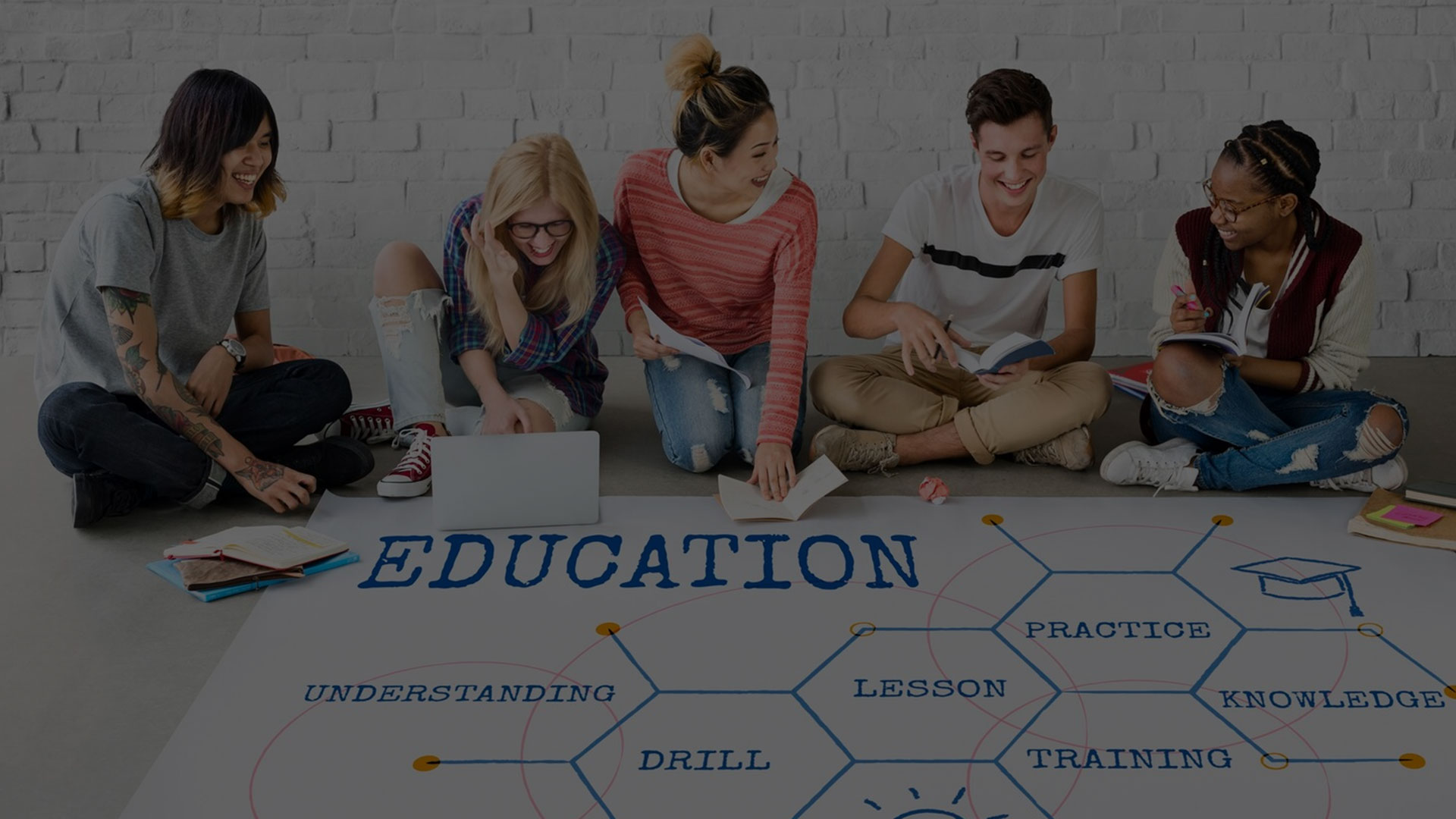
Education plays a central role in helping refugees gain the tools necessary to participate fully in society. Language learning, vocational training, and access to educational resources allow individuals to develop the skills required for employment, communication, and daily life.
Language education is often the first step toward integration. By learning the language of their new environment, individuals can communicate more effectively, access services, pursue educational opportunities, and participate in the workforce.
Beyond language learning, structured education programs can also support professional development, technical training, and the acquisition of practical skills that help individuals move toward financial independence.
Community Support Through Local Initiatives
In Japan, many local governments and municipal offices operate programs designed to support foreign residents living in their communities. These initiatives often include Japanese language classes, cultural orientation sessions, consultation services, and information programs that help individuals better understand life in Japan.
City offices across Japan frequently collaborate with local international associations, volunteer groups, and community organizations to offer these services. Such programs provide opportunities for newcomers to learn about daily life, access important public services, and develop connections within their local communities.
Several major cities have established structured support initiatives. For example, the Tokyo Metropolitan Government provides multilingual consultation services and information programs through organizations such as the Tokyo International Communication Committee, which helps foreign residents access guidance on living, working, and studying in Tokyo.
Similarly, the Yokohama City Government works with the Yokohama Association for International Communications and Exchanges to provide language learning opportunities, community exchange programs, and advisory services for foreign residents.
In western Japan, the Osaka City Government supports initiatives through organizations such as the Osaka International House Foundation, which offers multicultural programs and consultation services for foreigners.
The Nagoya City Government also provides services through the Nagoya International Center, where residents can access multilingual consultation, language classes, and educational programs.
These local initiatives play an important role in supporting integration by helping individuals navigate housing, healthcare systems, employment resources, and educational opportunities.
Strengthening Integration Through Community Engagement
Community engagement is a key element in helping refugees and other displaced individuals develop a sense of belonging in their new environment. Community programs create spaces where people can learn together, exchange experiences, and build networks of support.
Activities such as language exchanges, mentorship programs, and cultural workshops encourage interaction between local residents and newcomers. These initiatives help reduce barriers while promoting understanding and cooperation within communities.
When communities actively support education and integration initiatives, they help create pathways that enable individuals to rebuild their lives while contributing positively to society.

Collaboration Between Institutions and Communities
Successful integration efforts often involve collaboration between government institutions, educational organizations, community groups, and private sector partners. By working together, these stakeholders can develop programs that address the various challenges individuals may face when adapting to a new country.
Educational initiatives, workforce preparation programs, and community-based learning environments all contribute to helping individuals develop the knowledge and skills necessary for long-term success. Partnerships between institutions and communities help ensure that support systems remain accessible and sustainable.
The Role of Education-Focused Initiatives
Organizations focused on education and skills development also play an important role in strengthening these broader efforts. By supporting language learning, workforce preparation, and practical education initiatives, such organizations help expand opportunities for individuals to rebuild their lives.
Kibou no Gakkou contributes to this broader objective by focusing on education, skills development, and structured learning pathways that support individuals seeking to build stable and independent lives. Through programs that emphasize learning and preparation, Kibou aims to help individuals develop the knowledge, confidence, and practical skills needed to participate meaningfully in society and the workforce.
By working alongside communities, educational institutions, and other organizations, initiatives such as Kibou no Gakkou help strengthen the support systems that enable individuals to rebuild their lives and contribute positively to their communities.
Looking Ahead
As societies continue to address the challenges associated with displacement and migration, education and community support will remain essential components of successful integration.
By investing in learning opportunities, skills development, and collaborative community initiatives, societies can create pathways that enable individuals to rebuild their lives while strengthening the social and economic fabric of their communities.